Berth Shipyard — Est. 1981
From Plate
to Passage.
Yard Overview
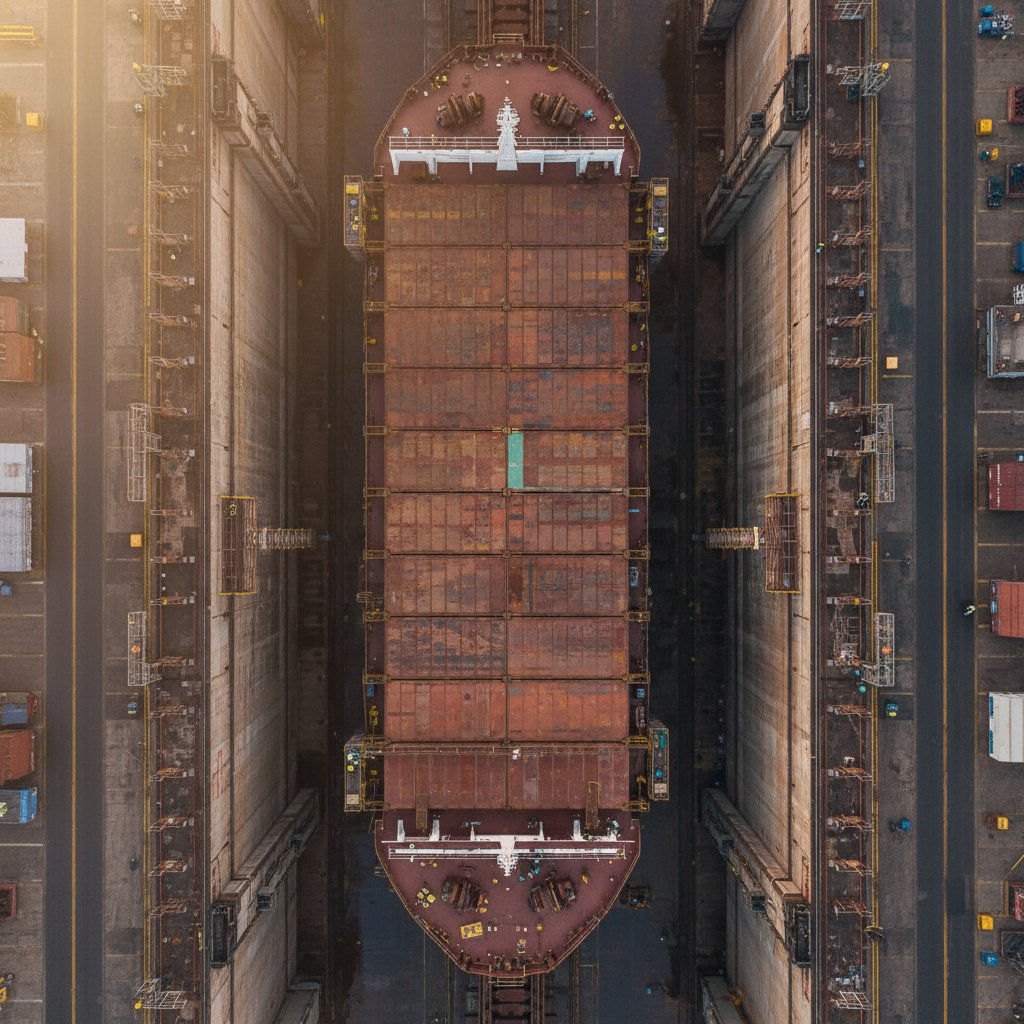
Steel plate to commissioned vessel — Berth runs dry docks wide enough for container ships, gantry cranes rated to 350 tonnes, and fabrication halls where hull blocks are built to tolerance before joining under open sky.
Transparent Process
The Build Sequence,
Disclosed.
Six phases. Real metrics at each stage. No abstractions — this is how a vessel is built at Berth.
Engineering Alignment
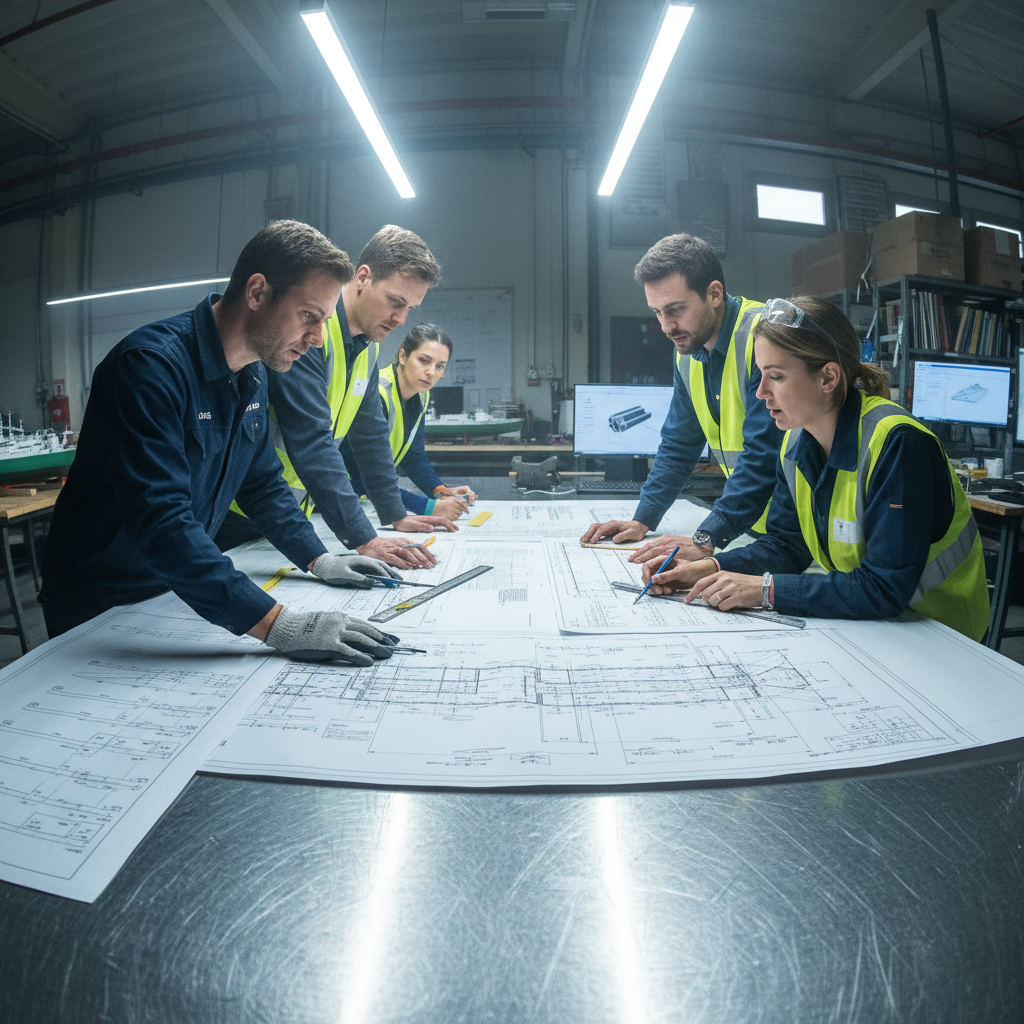
Contract & Design Review
Every build opens with a structured design review. Yard engineers, the client's naval architect, and our classification society surveyor align on scantlings, steel grades, and construction tolerances before a single plate is ordered.

First Steel
Steel Cutting & Keel Laying
CNC plasma and oxyfuel cutting tables process plate to ±0.5mm tolerance. Keel laying follows the formal class ceremony — the first keel block is positioned, levelled, and recorded. From this point, the vessel's identity number is live in the yard's project tracking system.
Hull Fabrication
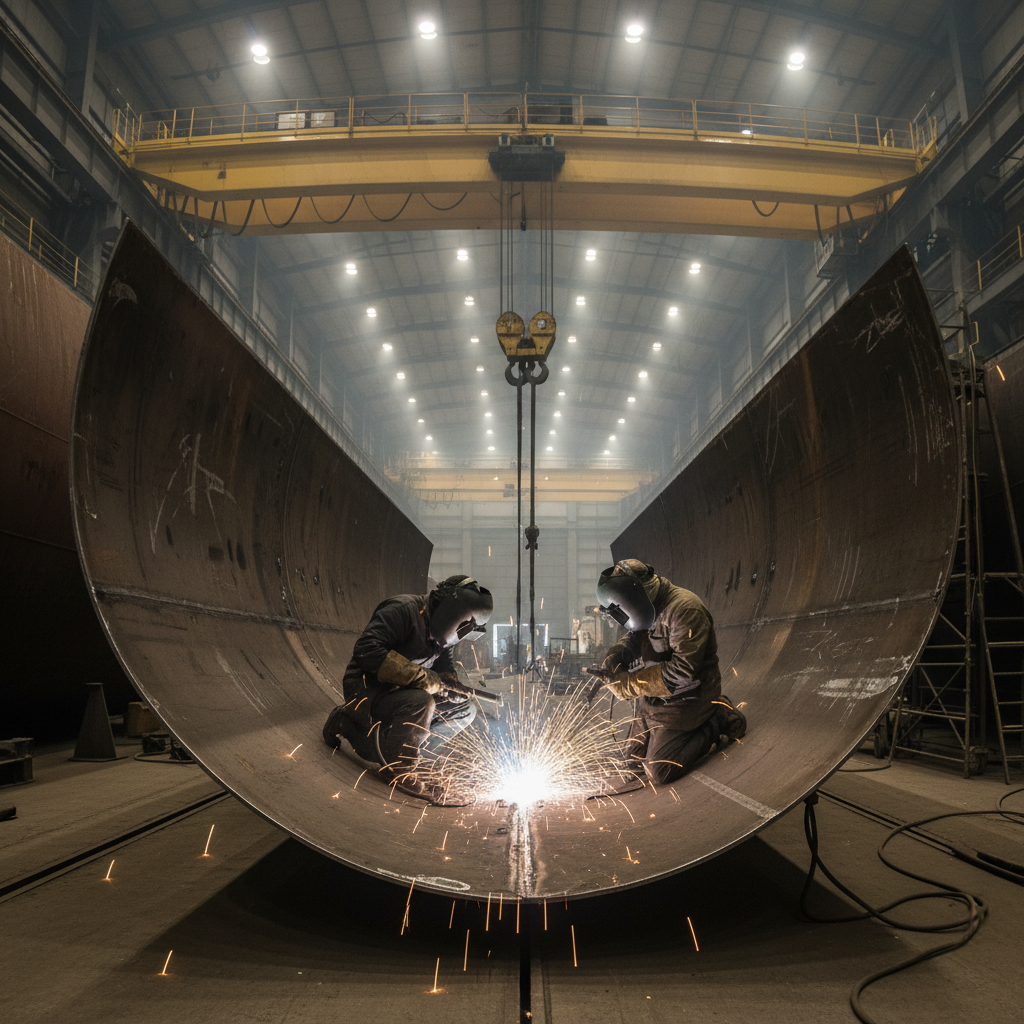
Block Assembly
Hull sections are fabricated as discrete blocks in the covered assembly hall — flat panels first, then curved shell sections, then longitudinal framing. Each block is dimensionally verified before transfer to the dock. Weld inspection is 100% visual plus UT sampling at all structural joints.
Mechanical & Electrical
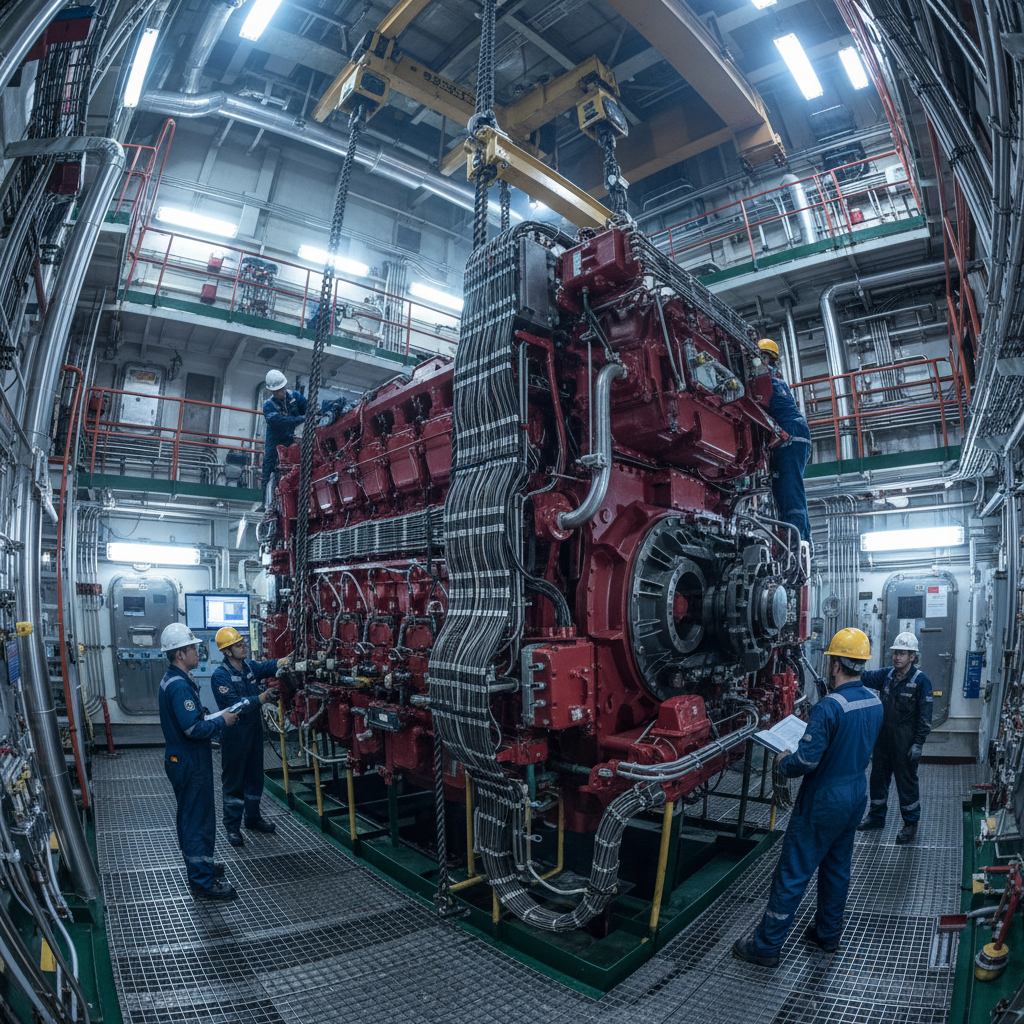
Outfitting & Systems
Outfitting runs in parallel with hull erection where the build schedule permits. Main engine, shafting, and propeller installation are milestones tracked daily. Accommodation and navigation spaces are fitted to owner-supplied interior specifications.
Performance Verification
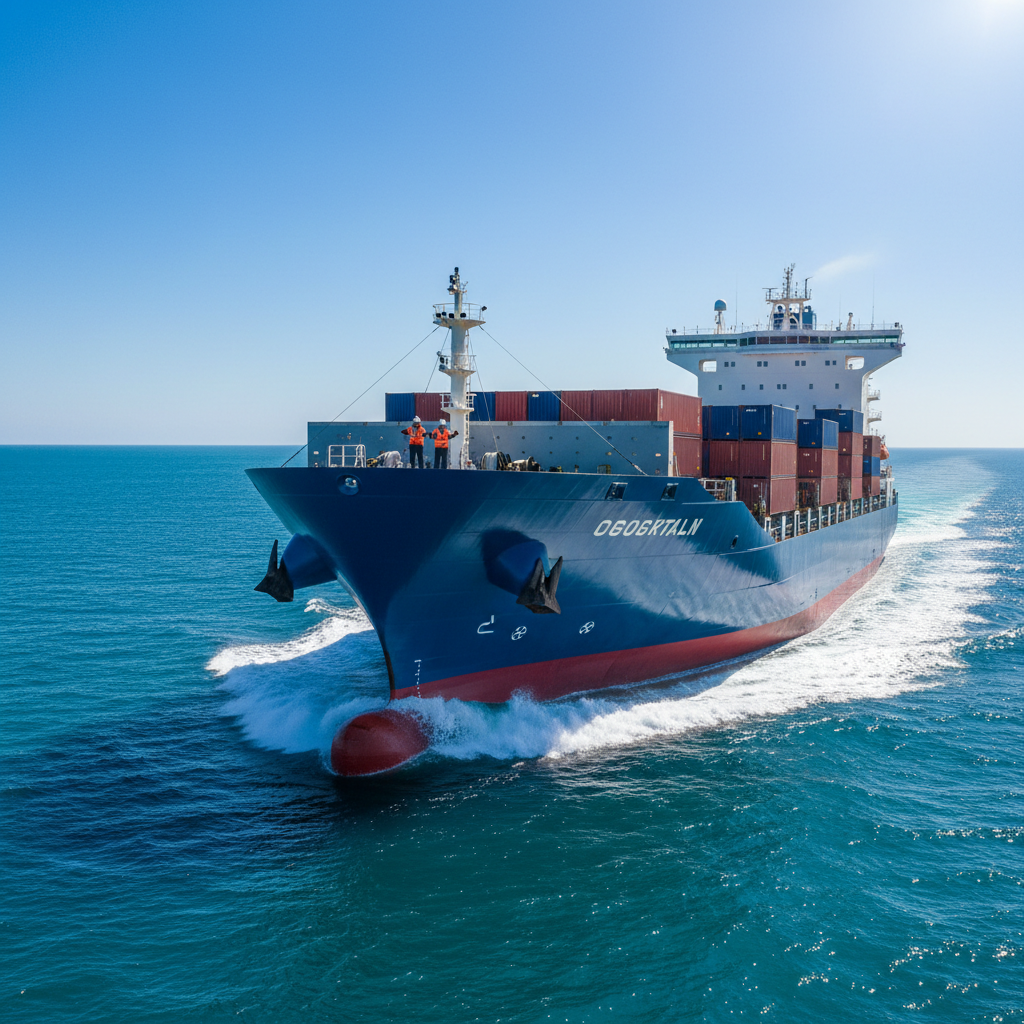
Sea Trials
Trials run over three days minimum: speed and power, manoeuvrability, anchor and mooring, navigation electronics, and emergency systems. The builder's trial is followed by the owner's acceptance trial. Classification surveyor is aboard for both. All deviations from spec are logged and resolved before protocol sign-off.
Flag State & Class
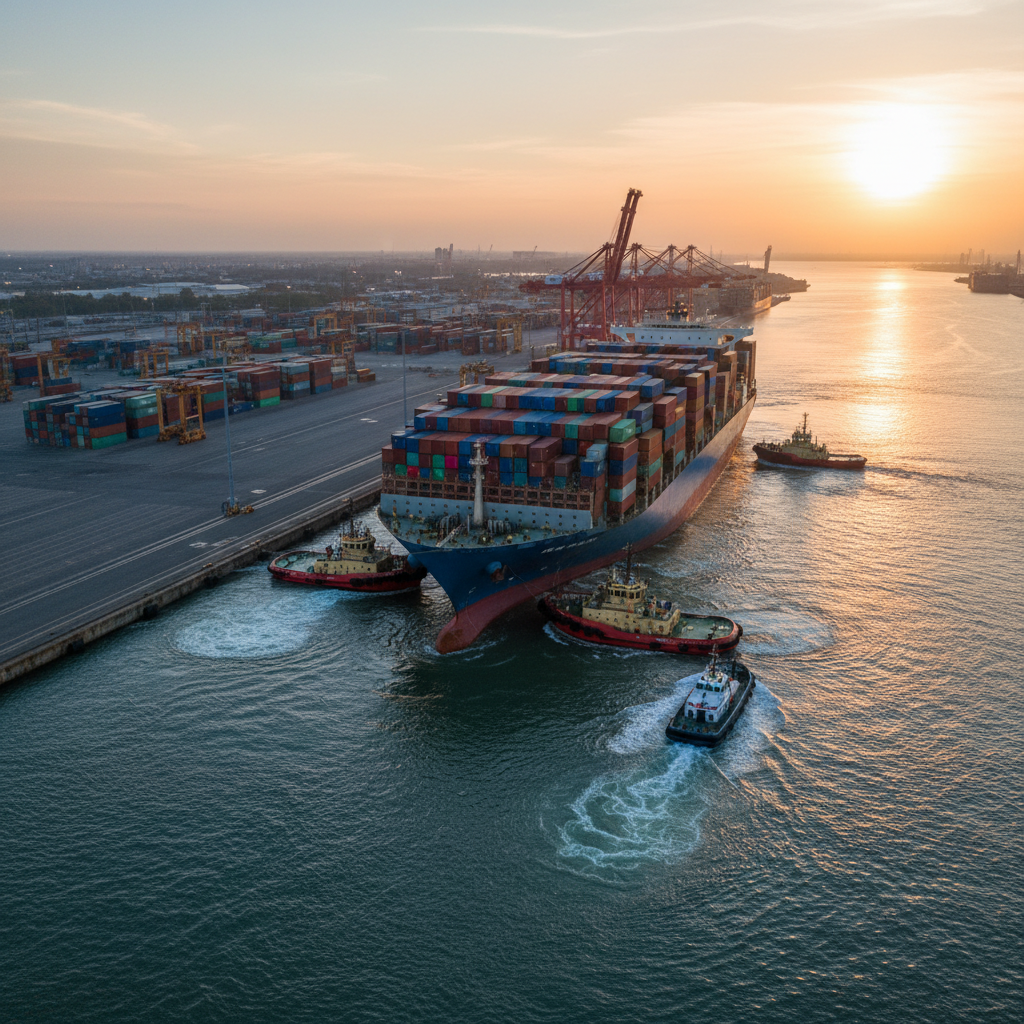
Delivery & Handover
Delivery documentation — class certificates, flag state registration, stability booklet, as-built drawings, and operations manuals — is compiled into a bound delivery dossier. The vessel departs under its own power. Average days on dock versus plan: −1.4 days across the last 12 vessels.
Vessel Portfolio
What We Build,
and for Whom.
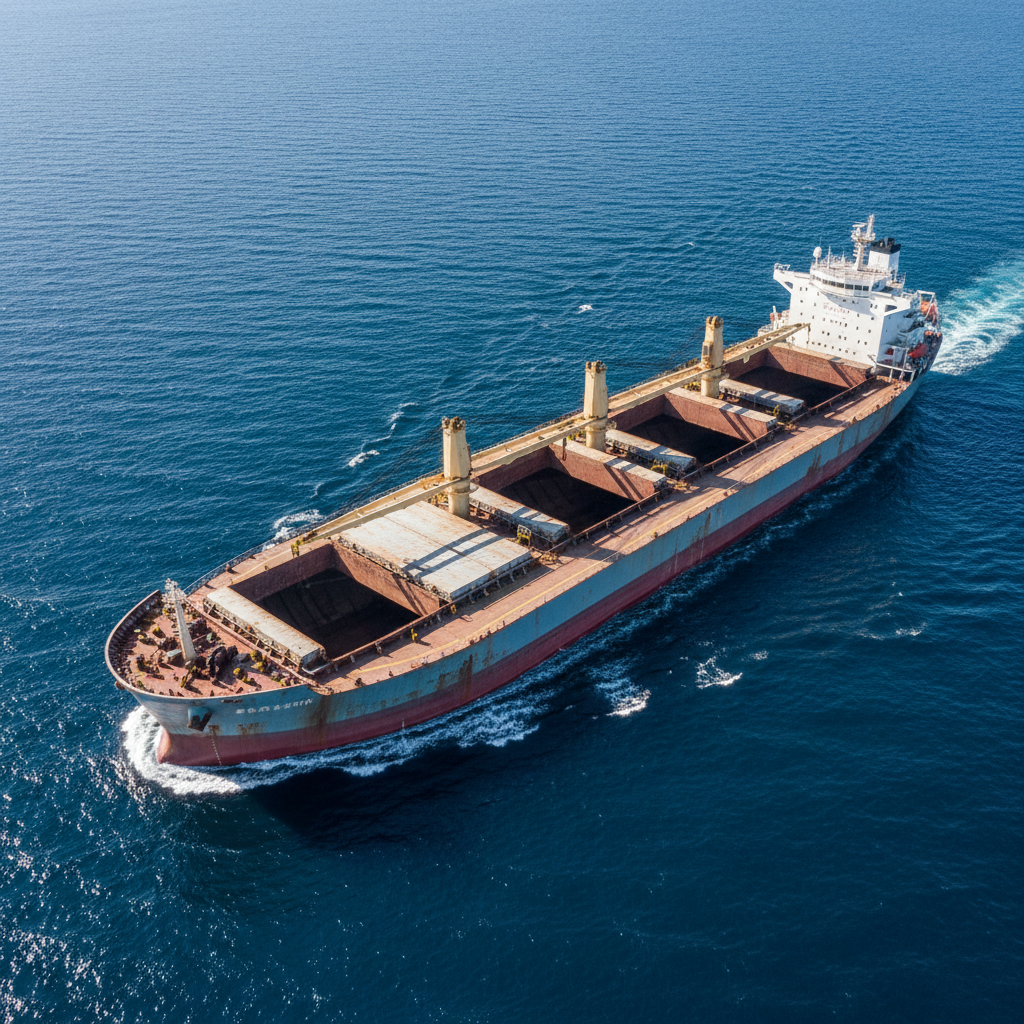
Gearless / Geared · Grab-fitted holds
Bulk Carrier
3,000–35,000 DWT
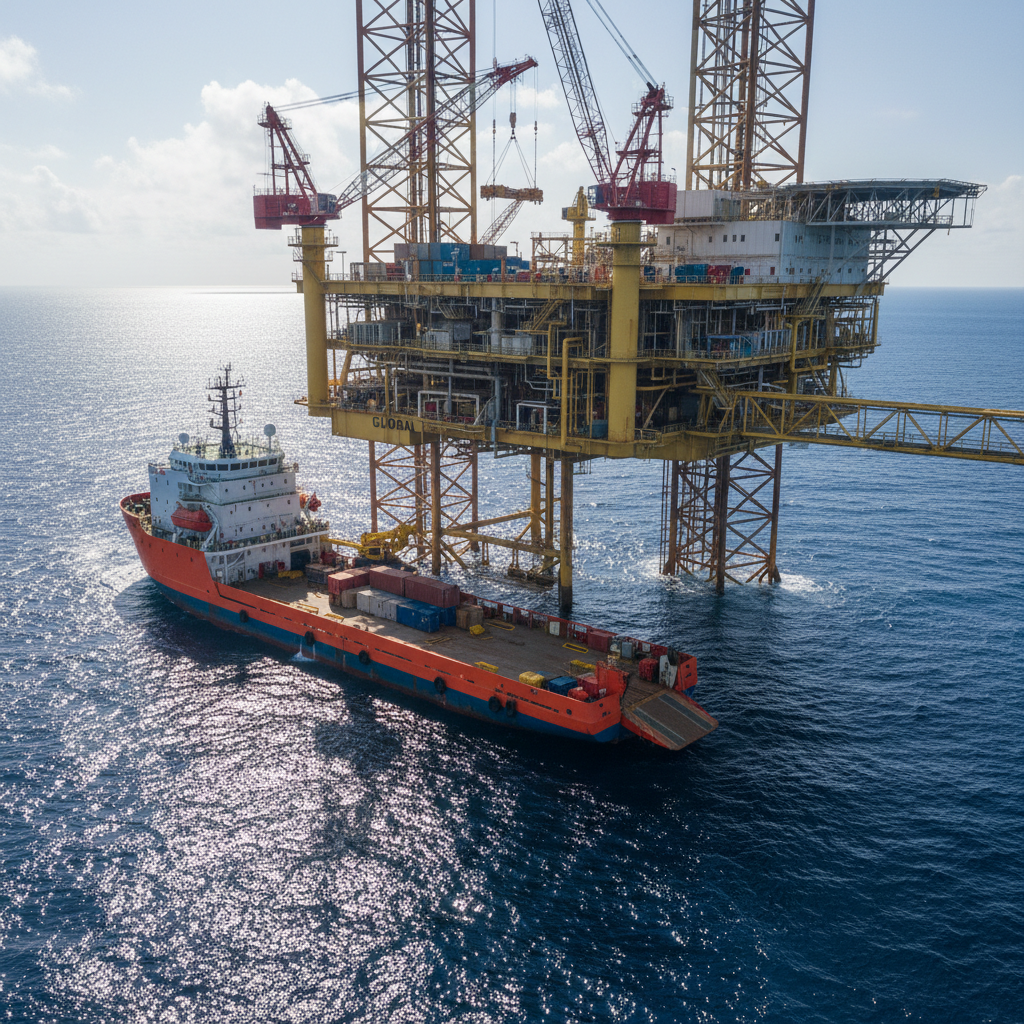
PSV · AHTS · Well Intervention
Offshore Support
2,000–6,000 DWT
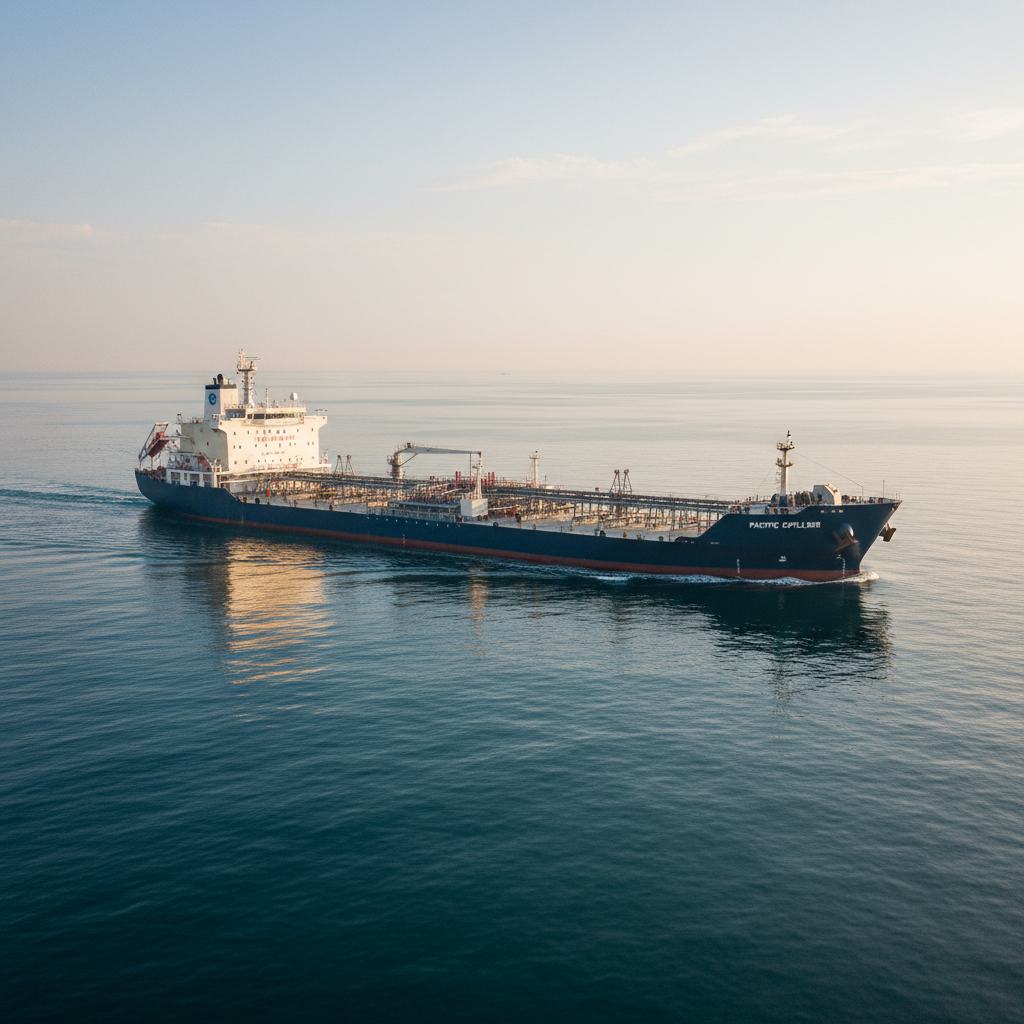
Coated / Stainless · IMO II/III
Product Tanker
5,000–18,000 DWT
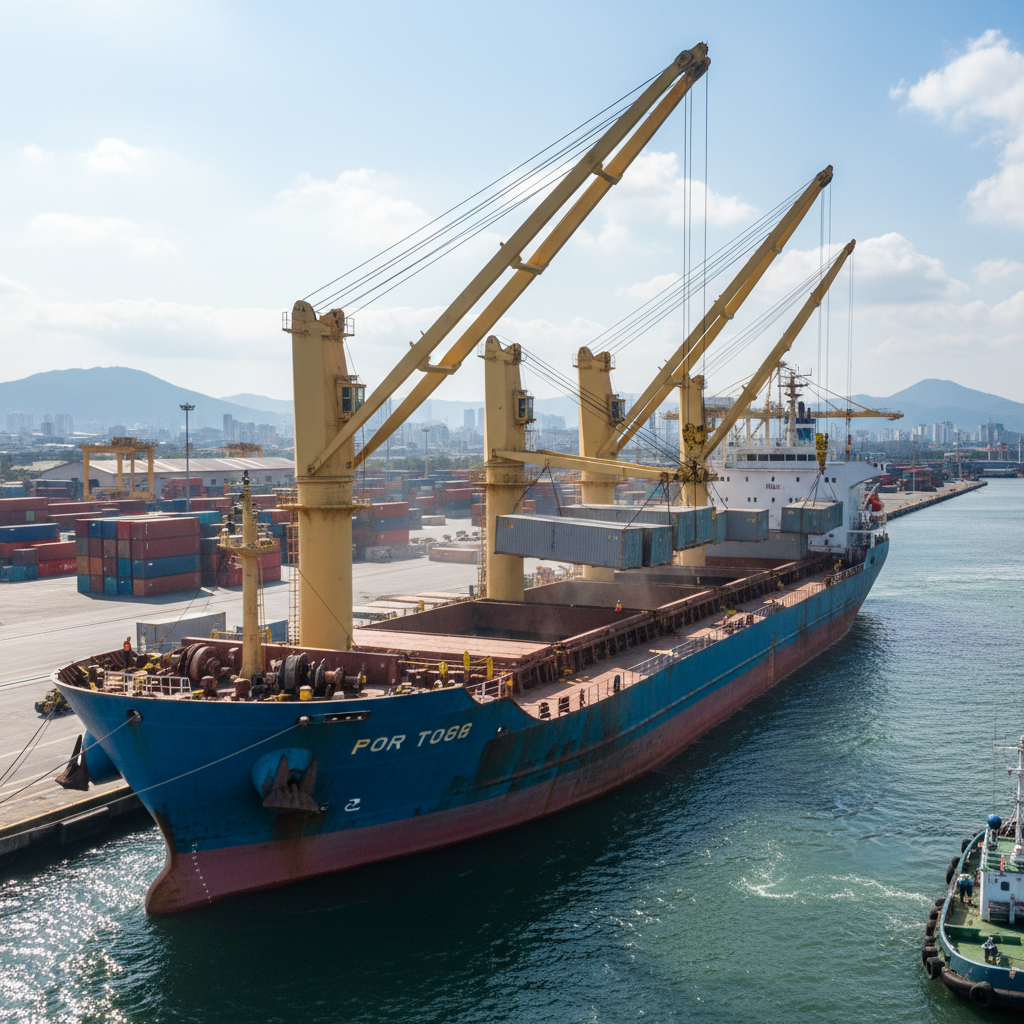
Tween-deck · Single hold · Reefer-capable
General Cargo
1,500–12,000 DWT
Resource Hub
Read Before You Call.
We Prefer It That Way.
Our Build Process Guide
Phased methodology, quality benchmarks, weld inspection protocols, and sample project timelines for bulk carriers and offshore support vessels. Written for procurement officers and naval architects.
Technical References
No form. No gate. Reference documents for technical professionals evaluating build partners.
General Arrangement Samples
GA drawings for bulk carrier and PSV reference vessels — deck plans, profile, midship section.
PDF · 4.2 MBSteel Grade Reference
Comparison of AH32, AH36, DH36, EH36 — mechanical properties, weldability, and typical application zones.
PDF · 1.8 MBCoating System Datasheets
Approved coating systems for ballast tanks, cargo holds, and underwater hull — product data and application specs.
PDF · 3.1 MBQuality Inspection Checklist
Berth's standard weld inspection protocol — visual, UT, and radiographic criteria by joint classification.
PDF · 0.9 MBAll documents are representative samples. Project-specific specifications are issued post-contract under NDA if required.